
Bruxism: Signs, Symptoms & Treatment
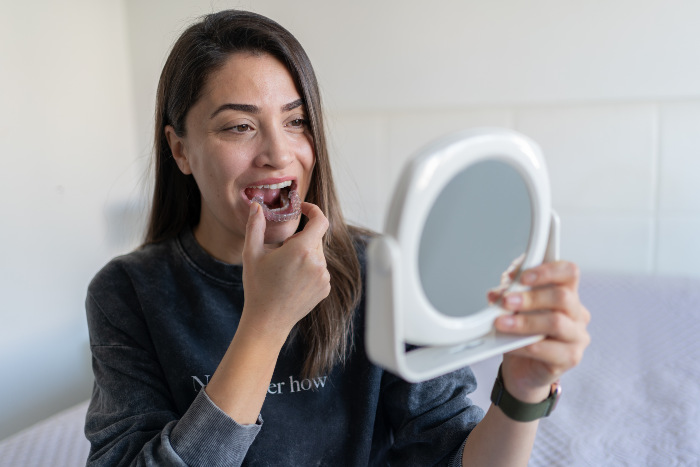
Teeth grinding and jaw clenching, a condition known as bruxism, can gradually wear down your teeth and strain the muscles and joints of the jaw. These habits often occur unconsciously, particularly during sleep, which makes them difficult to detect until noticeable symptoms or damage appear. Left untreated, bruxism can lead to a range of complications, including enamel erosion, cracked teeth, jaw pain, and sleep disturbances. Saddleback Dental Centre in Edmonton, AB, works closely with patients to identify the underlying causes of bruxism and provide tailored solutions that address both the symptoms and their root triggers. Understanding the signs, causes, and available treatment options is an essential first step in preventing long-term oral health issues and preserving a balanced, pain-free bite.
Causes & Risk Factors
Bruxism can be caused by a combination of physical, psychological, and lifestyle factors. It may occur while awake or during sleep, and each type has different underlying causes. Understanding what causes bruxism can help guide effective treatment strategies tailored to the individual. Some of the most common contributors include:
- Stress and anxiety, which can trigger jaw clenching
- Sleep disorders such as obstructive sleep apnea
- Malocclusion, or misaligned teeth and bite issues
- Medications such as certain antidepressants or stimulants
- Caffeine, tobacco, or alcohol consumption, especially in excess
- Genetics, as bruxism can run in families
Bruxism Symptoms & Signs
Bruxism often goes unnoticed until symptoms become more obvious or a dentist identifies signs of wear on the teeth. Paying attention to early warning signs can help prevent more serious complications. Bruxism symptoms can vary in severity, and not everyone who grinds their teeth will experience all of them. Look out for the following signs of bruxism:
- Worn, chipped, or flattened teeth
- Increased tooth sensitivity or pain
- Jaw soreness, tightness, or fatigue
- Clicking or popping sounds in the jaw joints
- Frequent headaches, especially around the temples
- Damage to the inside of the cheeks from chewing
- Disturbed sleep or complaints from a sleep partner
How Is Bruxism Diagnosed?
Diagnosis typically begins with a thorough dental examination. Dentists look for visible signs such as unusual tooth wear, damage to crowns or fillings, or tenderness in the jaw muscles. They may also ask questions about your sleep quality, daily stress levels, or any patterns of clenching or grinding you’ve noticed. In cases where the symptoms suggest sleep-related bruxism or if the damage is more advanced, additional evaluation may be recommended. This can involve taking impressions or digital scans to monitor structural changes in the teeth over time. If sleep disruption is suspected, your dentist might refer you to a sleep specialist for further assessment. A detailed review of your lifestyle habits, current medications, and medical history may also help identify contributing factors. An accurate and complete diagnosis is essential to determining the most effective treatment for bruxism and preventing further complications.
Bruxism Treatment & Management Options
Bruxism treatment varies based on its severity, cause, and the extent of any damage. A range of options exists to relieve discomfort, prevent further harm, and address contributing factors. Learning how to stop bruxism may involve a combination of dental care and lifestyle changes. Working with your dentist ensures the most effective and personalized care. Common treatment approaches include:
- Custom night guards or splints to protect the teeth during sleep
- Stress management techniques such as therapy, yoga, or mindfulness
- Corrective dental procedures if misaligned teeth are contributing to the problem
- Botox injections in severe cases to relax the jaw muscles
- Medication adjustments if a prescription is linked to teeth grinding
Complications If Untreated
Without proper intervention, chronic bruxism can lead to significant oral health issues and discomfort. The longer it goes unaddressed, the greater the risk of damage. Early identification and bruxism treatment can reduce these risks and improve long-term outcomes. Potential complications include:
- Severe enamel wear and increased tooth sensitivity
- Cracked or broken teeth and restorations
- TMJ disorders and jaw joint dysfunction
- Frequent tension headaches and facial pain
- Sleep disruption, which affects overall well-being
Prevention & Lifestyle Tips
Even if you are already receiving treatment, small changes in your daily routine can support recovery and reduce symptoms. Adopting preventive habits also helps stop the progression of bruxism and its related discomforts. Combining these practices with professional dental care enhances your ability to manage or eliminate bruxism effectively. Try incorporating these tips into your lifestyle:
- Practice stress-reduction techniques like meditation or deep breathing.
- Avoid chewing gum or biting on pens and other non-food items.
- Cut back on caffeine and alcohol, especially in the evening.
- Establish a consistent sleep schedule to promote restful sleep.
- Apply a warm compress to your jaw before bed to relax the muscles.
Schedule Treatment for Bruxism Teeth Grinding in Edmonton, AB
Bruxism is a common condition that can lead to serious dental problems if ignored. From subtle signs like jaw tension to visible damage on teeth, early detection is key. Whether you’re exploring bruxism symptoms or looking for bruxism treatment options, understanding the causes and available solutions can help you take control of your oral health. Saddleback Dental Centre in Edmonton, AB, is here to help with diagnosis, prevention, and personalized treatment. If you suspect teeth grinding or have noticed signs of bruxism, schedule an appointment today. Our team can provide expert guidance and solutions to protect your teeth and relieve discomfort.